Best Wood for UK Log Burners — 2026 Buyer’s Guide
Ash and oak are the UK consensus picks — burn hot, burn clean, low ash. But properly seasoned ≤20% moisture matters far more than species. Here’s the full UK firewood reference.
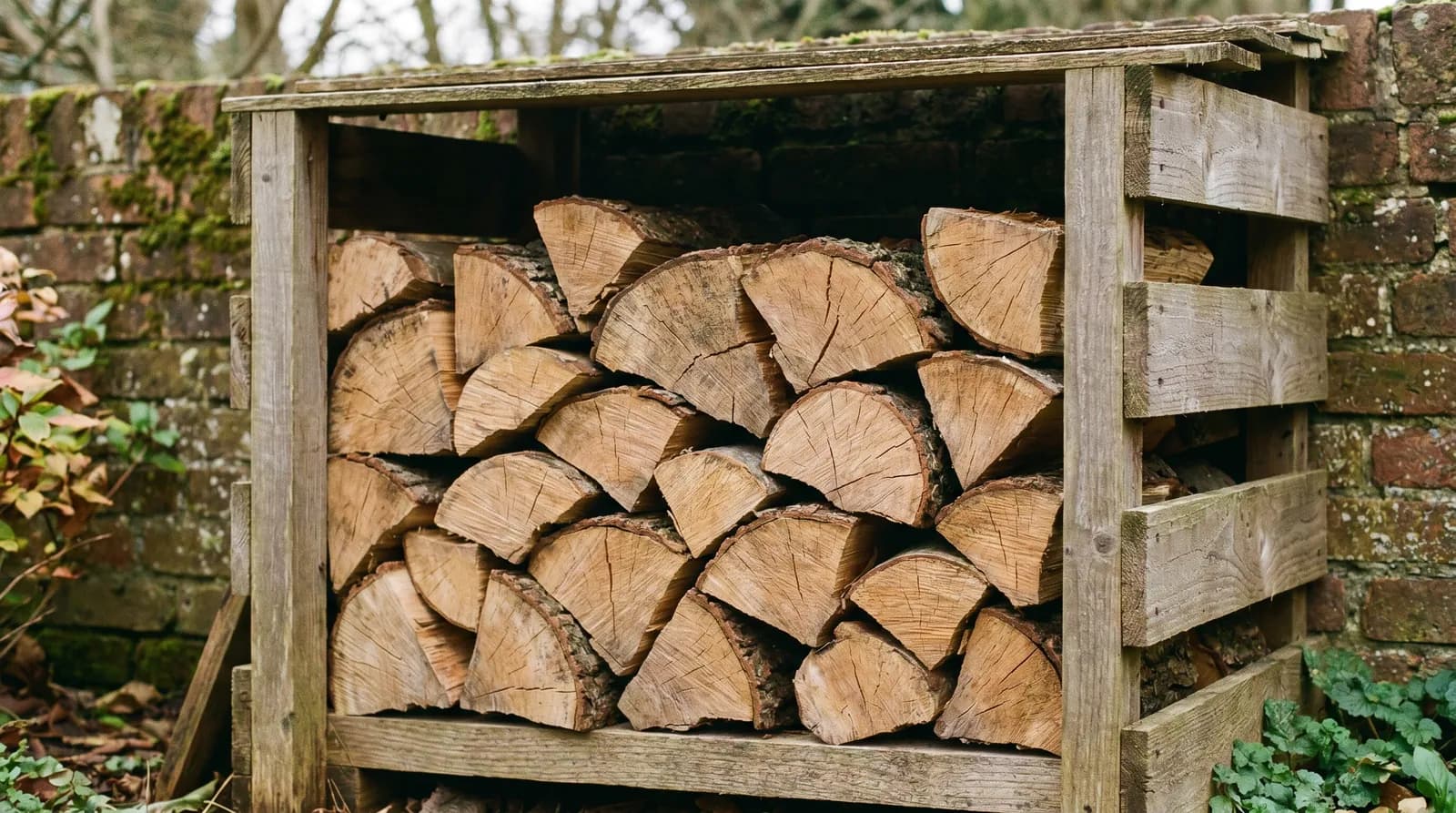
The 20% rule trumps species choice
Properly seasoned ash (15-18% moisture) burns dramatically better than wet oak (25-30% moisture) — despite oak being the denser, hotter-burning species in dry conditions. The single most important firewood property for UK log burners is moisture content, not species.
Verify your firewood with a moisture meter before burning. See our moisture meter guide for £10–£25 picks.
UK firewood ranking by burn quality
| Species | Type | Heat | Notes |
|---|---|---|---|
| Ash | Hardwood | Very high | UK consensus pick. Burns hot, clean, low ash. Splits easily. Can burn semi-seasoned. |
| Oak | Hardwood | Very high | Dense — high heat per cubic metre. Needs 18-24 months seasoning. Long, sustained burn. |
| Beech | Hardwood | Very high | Excellent burn quality. Even, clean flame. 12-18 months seasoning. |
| Birch | Hardwood | High | Lights easily. Pleasant aroma. Burns fast — best mixed with denser hardwoods. 6-12 months seasoning. |
| Hornbeam | Hardwood | Very high | Very dense, sustained burn. Underrated. Like oak but easier to source. |
| Cherry / Apple | Hardwood | High | Aromatic. Good burn quality. Smaller pieces from orchards or arborists. |
| Pine | Softwood | Medium | Burns fast and hot. Best as kindling. Resinous — produces more creosote than hardwoods. |
| Larch | Softwood | Medium | Better than pine for sustained burn. Resinous when fresh; season 12 months. |
| Sycamore | Hardwood (lower density) | Medium | Easily sourced UK hardwood. Burns reasonably; not as hot as ash or oak. |
Hardwood vs softwood — when to use each
- Hardwood (ash, oak, beech, birch, hornbeam): denser, more heat per cubic metre, longer burn time. Best for sustained warmth through an evening. UK firewood standard.
- Softwood (pine, larch, spruce): faster ignition, lighter weight, more creosote. Best as kindling and quick-warm fires. Not ideal for slow overnight burns.
- Mixed approach: most UK owners burn hardwood as the main fuel and softwood for kindling. This is the optimal mix
Ready to Burn certification
Since May 2021, firewood supplied for domestic use in England in retail volumes under 2m³ must carry Ready to Burn (RTB) certification, confirming a moisture content of 20% or less. Look for the Ready to Burn logo, supplier name and certification number.
RTB certification removes the seasoning question. You can burn certified wood immediately on delivery. Selling non-certified wet wood in volumes under 2m³ has been illegal in England since May 2021. Scotland, Wales and Northern Ireland have separate rules, although properly dried wood remains best practice everywhere.
See our full UK fuel rules for the legal context.
What never to burn
- Treated or painted timber: contains arsenic, chromium, copper. Toxic combustion gases
- MDF, chipboard, plywood: contains formaldehyde and other binders that release toxic gases
- Pallets: often contain chemicals (methyl bromide fumigation), nails, staples that damage the stove
- Driftwood: salt corrodes flue liners. Even dried thoroughly, the chloride damage compounds
- Wet wood (above 20%): incomplete combustion, creosote buildup, glass blackening, reduced heat
- Bagged house coal: illegal to sell in England since May 2021
- Household waste: plastics, paper coated materials, anything with adhesives or inks
Where to buy UK firewood in 2026
- Bulk delivered (1m³+): best value. UK suppliers include Lekto Woodfuels, Logs Direct, BURN Firewood, Logs and Burn. Typical UK pricing: £120–£220 per cubic metre kiln-dried
- Local arborists and tree surgeons: often cheaper than commercial suppliers; seasoning may be needed
- Sawmills: offcuts and short cuts often cheaper than commercial firewood
- Freegle / Freecycle: free wood occasionally available from people clearing trees
- Avoid: petrol station bags (£11+ each, very expensive per kWh), supermarket bags (similar issue), and wet wood or fuel without a clear origin from informal sources
Annual firewood needs
- Occasional use (few evenings/week): ~2m³ per UK winter
- Regular use (most evenings): 3–4m³ per winter
- Heavy / all-day use: 6m³+ per winter
At £120–£220/m³ kiln-dried delivered, expect £400–£770 per year for regular use. See our log storage guide for storing your annual supply.
Pair with these guides
- How to light a log burner — the top-down method extracts maximum heat from properly seasoned hardwood. Lighting guide →
- Why stove glass goes black — wet wood is the #1 cause. Verify with a moisture meter. Glass-blackening guide →
- Log burner running cost — firewood is the bulk of your annual running cost. Annual cost breakdown →
Frequently asked questions
What’s the best wood for log burners in the UK?
Ash is the UK consensus pick — burns hot, clean, low ash, easy to split. Oak is denser (more heat per cubic metre) but needs longer seasoning. Beech and birch are excellent. Properly seasoned ≤20% moisture matters far more than wood species — even pine burns well if dry.
What firewood should I avoid?
Never burn: treated/painted timber, MDF, chipboard, pallets (often contain chemicals or nails), driftwood (salt corrodes liners), or anything you don’t know the history of. Wet wood (>20% moisture) of any species should be seasoned before burning.
Hardwood vs softwood — which?
Hardwoods (oak, ash, beech, birch) burn longer with more heat per cubic metre — best for sustained warmth. Softwoods (pine, larch, spruce) burn faster and hotter initially but produce more creosote — best as kindling and quick fires. Most UK owners burn a mix.
What’s Ready to Burn certified wood?
In England, firewood sold in retail volumes under 2m³ must be Ready to Burn certified at 20% moisture or less. Look for the Ready to Burn logo, supplier name and certification number. Scotland, Wales and Northern Ireland have separate rules, although dry wood remains best practice everywhere.
Where should I buy firewood in the UK?
Bulk delivery (1m³+) from local UK suppliers — Lekto Woodfuels, Logs Direct, BURN Firewood, Logs and Burn. Approximately £120–£220 per cubic metre kiln-dried delivered. Petrol-station bags at £11+ each are the most expensive route per kWh — avoid for regular use. Free or cheap sources: arborists, sawmills, Freegle, fallen wood (with permission).